The future of global health financing: takeaways from the World Health Assembly side-event
27/5/2026
- Event
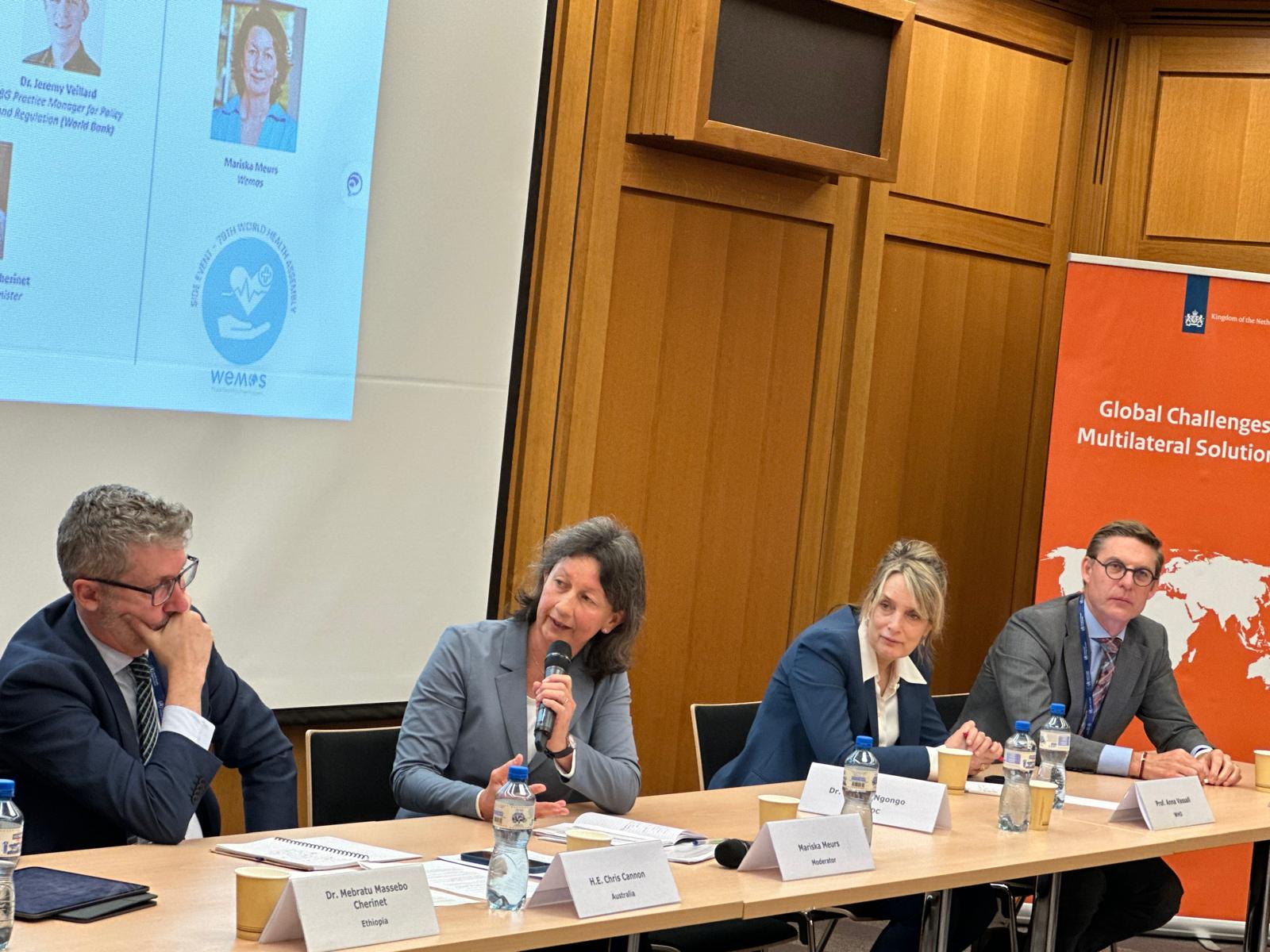
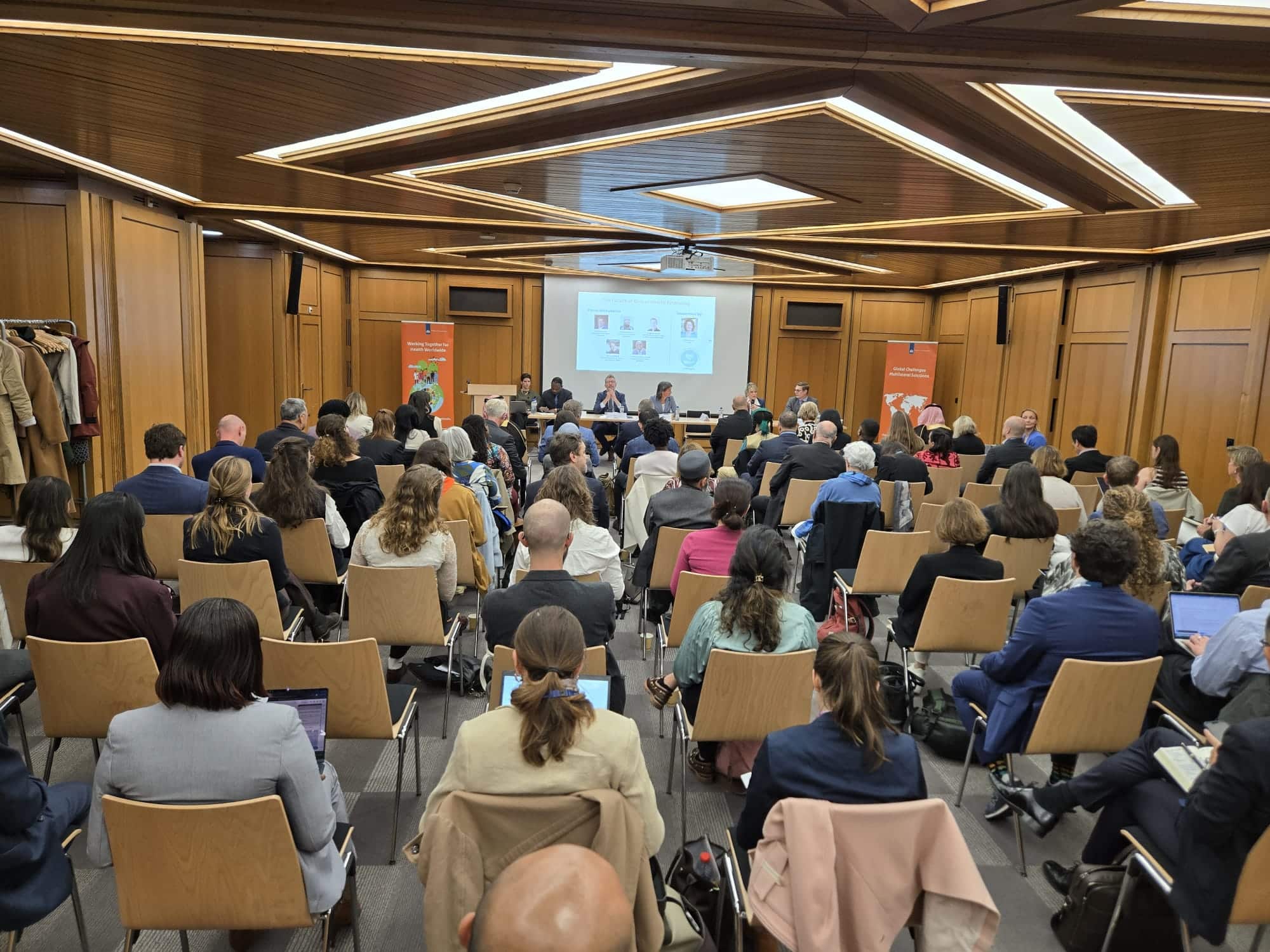
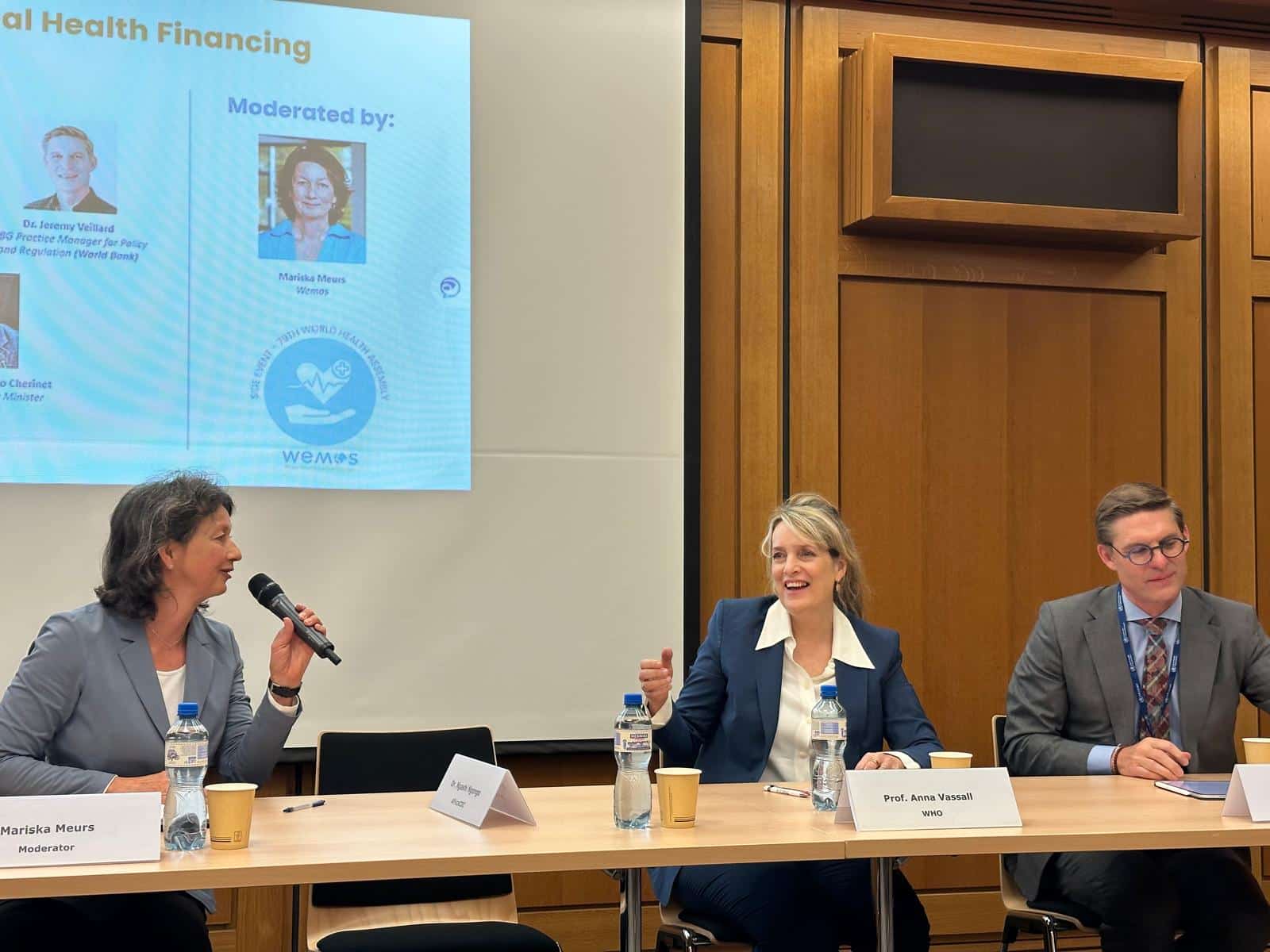
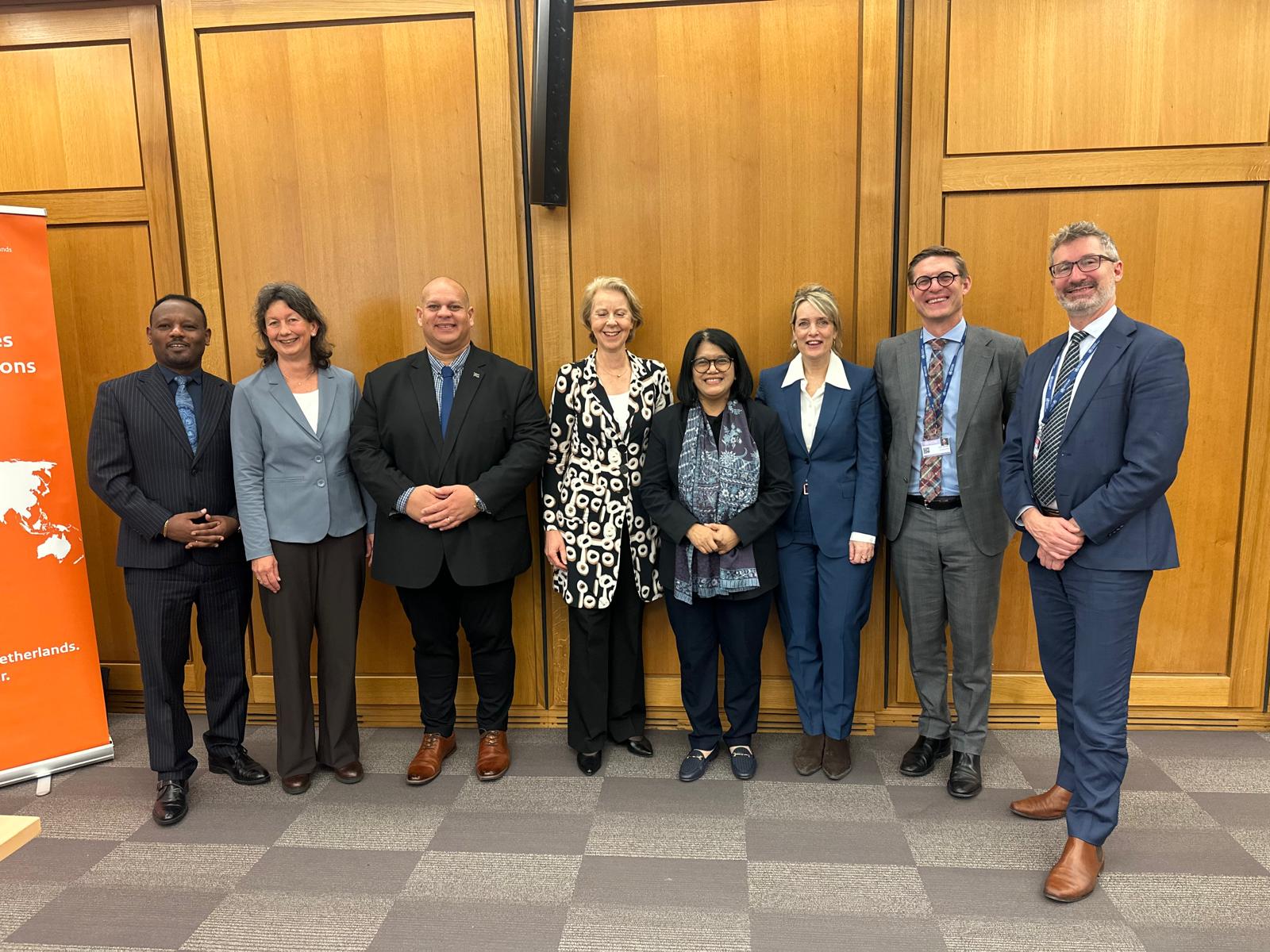
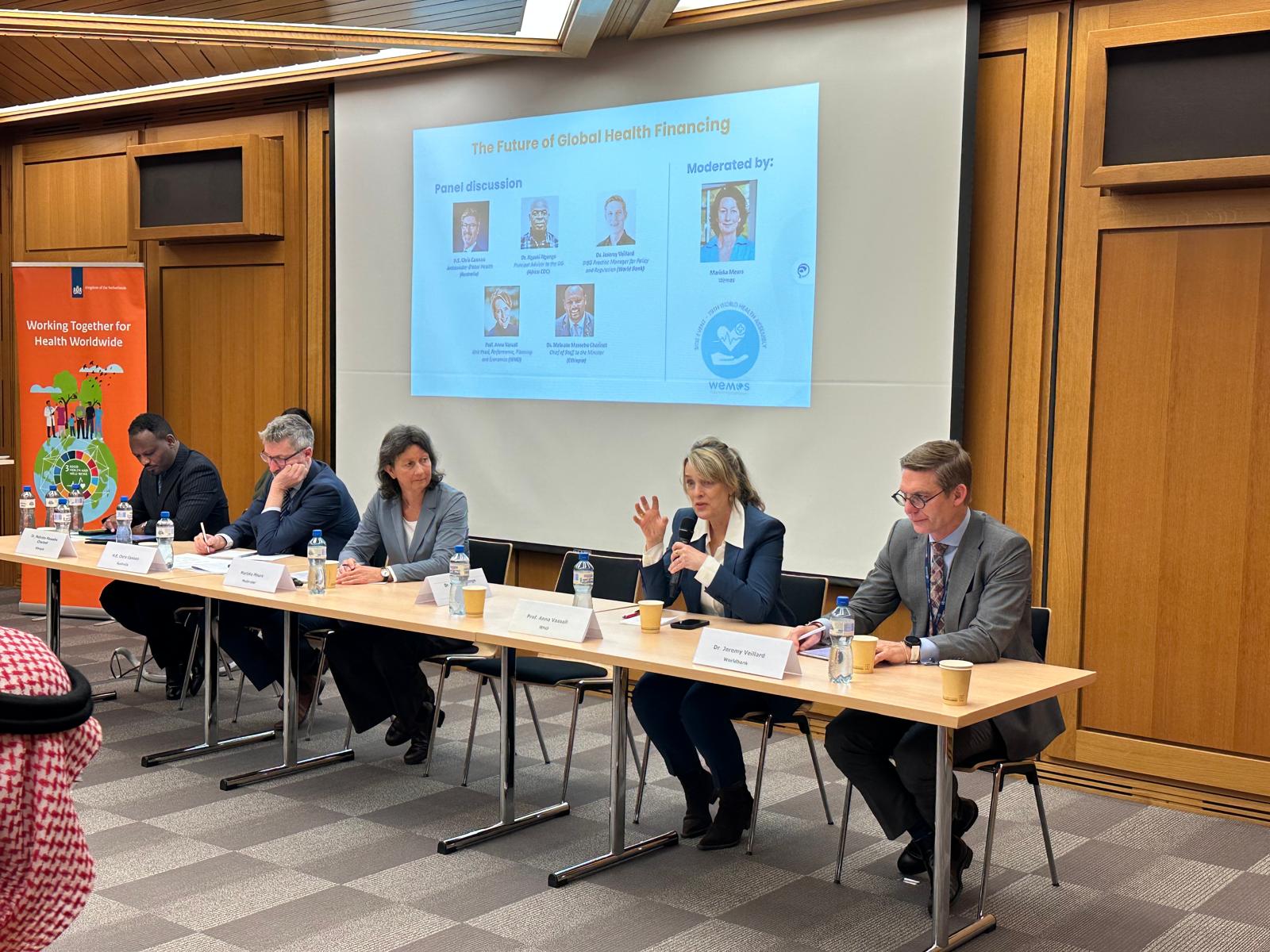
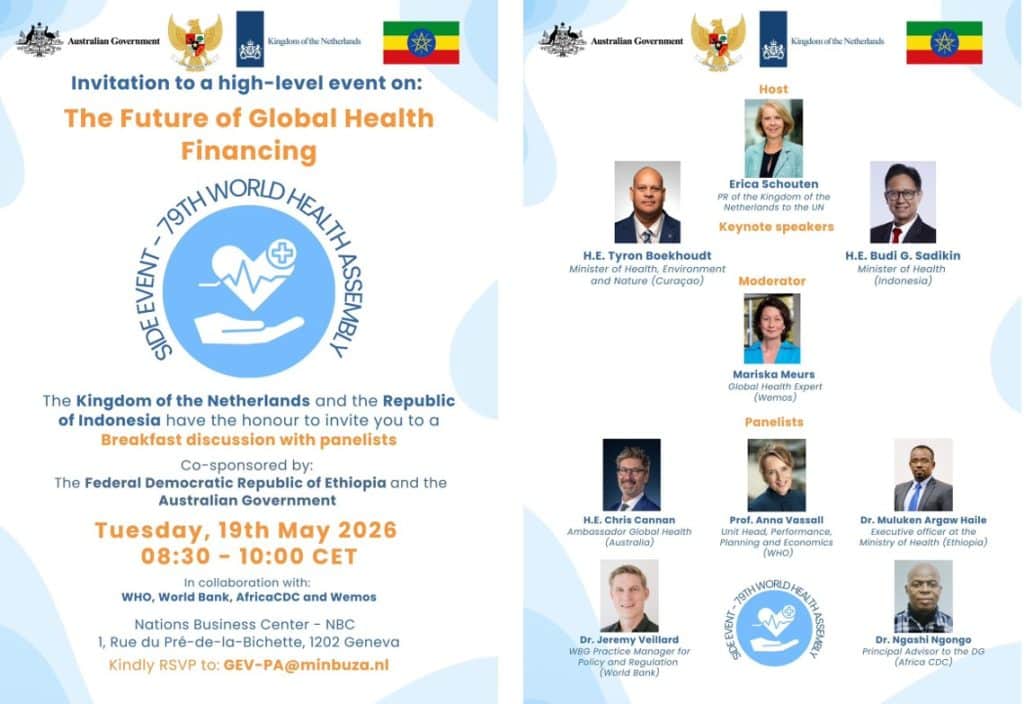
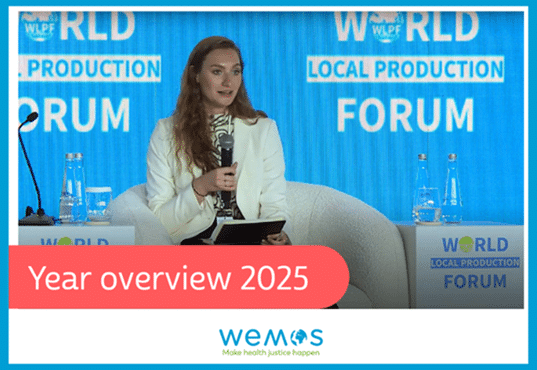
On 19 May, the governments of the Netherlands and Indonesia hosted a pivotal side-event at the World Health Assembly, focusing on ‘The Future of Global Health Financing’. The event brought together policymakers, experts and stakeholders to explore best practices in health financing, assess the roles of national, regional, and global actors, and highlight actionable solutions for sustainable health systems. Mariska Meurs, global health expert at Wemos, moderated the session.
The underfunding of health systems is not a new issue. Yet the sudden reductions in development assistance for health, compounded by recurring infectious disease outbreaks and the persistent struggle to contain them, have put health financing into the global spotlight. While the amounts of domestic and external funding remain critical, the efficiency and effectiveness of spending is just as vital.
Amidst this challenging health financing context, this side-event shone a light on what works best to advance universal health coverage (UHC) and strengthen pandemic prevention, preparedness and response. It also showcased some inspiring examples of positive change around the world.
Key takeaways
Below, we share the key takeaways from the discussion.
1. Short-term cuts create long-term consequences
Reducing funding for collective health security may seem like a politically logic move, but recent outbreaks repeatedly demonstrate that this approach is penny-wise and pound-foolish. The costs of inaction – whether in human lives, economic disruption or healthcare system strain – far outweigh the perceived savings.
2. Address the funding gap in low-income countries Many low-income countries allocate only around USD 10 per capita to health. At the same time, compared to middle- and high-income countries, they dedicate a larger share of their limited resources to pandemic prevention, preparedness and response. This disparity underscores the urgent need for increased and more equitable investment in health systems.
3. Investing in resilience: the dual benefit of UHC The most impactful investments for UHC are often the same ones that make systems more resilient. Strengthening primary healthcare, improving surveillance systems and ensuring equitable access to services not only advance UHC but also prepare countries to better withstand future shocks.
4. Health spending is an investment, not a cost Health spending is not an expenditure; it is an investment in societal well-being and economic prosperity. Domestic resource mobilization is essential, yet it is not a substitute for international cooperation. To achieve sustainable funding for health, we must urgently address the debt crisis and fight tax abuse by multinational corporations and wealthy individuals, because these drain resources from public budgets, which are needed for health, education and other vital services.
5. Domestic priority-setting is key Self-reliance in health financing is not only about mobilizing more funds, it is fundamentally about domestic determination. Countries must take ownership of their health spending, aligning it with national priorities rather than external agendas. In spite of donors’ commitments on alignment and coordination, progress towards domestic priority-setting is slow and duplication continues, leading to duplicated planning, reporting or implementation structures. And thereby a loss of scarce resources.
Inspiring examples of progress
The event highlighted success stories of countries that did manage to increase their healthcare budgets, to expand their development assistance, and to get external funders to better align with national plans and provide on-budget support.
Yet, much work remains. The challenges of donor fragmentation, misaligned priorities and insufficient domestic investments persist. Moving forward, the global health community must build on these examples, fostering collaboration and innovation to drive meaningful change.
Collaborative effort
The side-event was hosted by the governments of the Netherlands and Indonesia, co-sponsored by the governments of Ethiopia and Australia, and organized in collaboration with the World Health Organization, the World Bank Group, Africa CDC and Wemos.
Health financing is essential for resilient health systems
The discussions at this side-event reaffirmed a critical truth: health financing is not just a technical issue, it is a political and moral imperative. As the world grapples with overlapping crises, the need for sustainable, equitable and resilient health systems has never been more urgent. By learning from success stories, addressing systemic gaps and fostering genuine collaboration, we can build a future where health security is a reality for all.