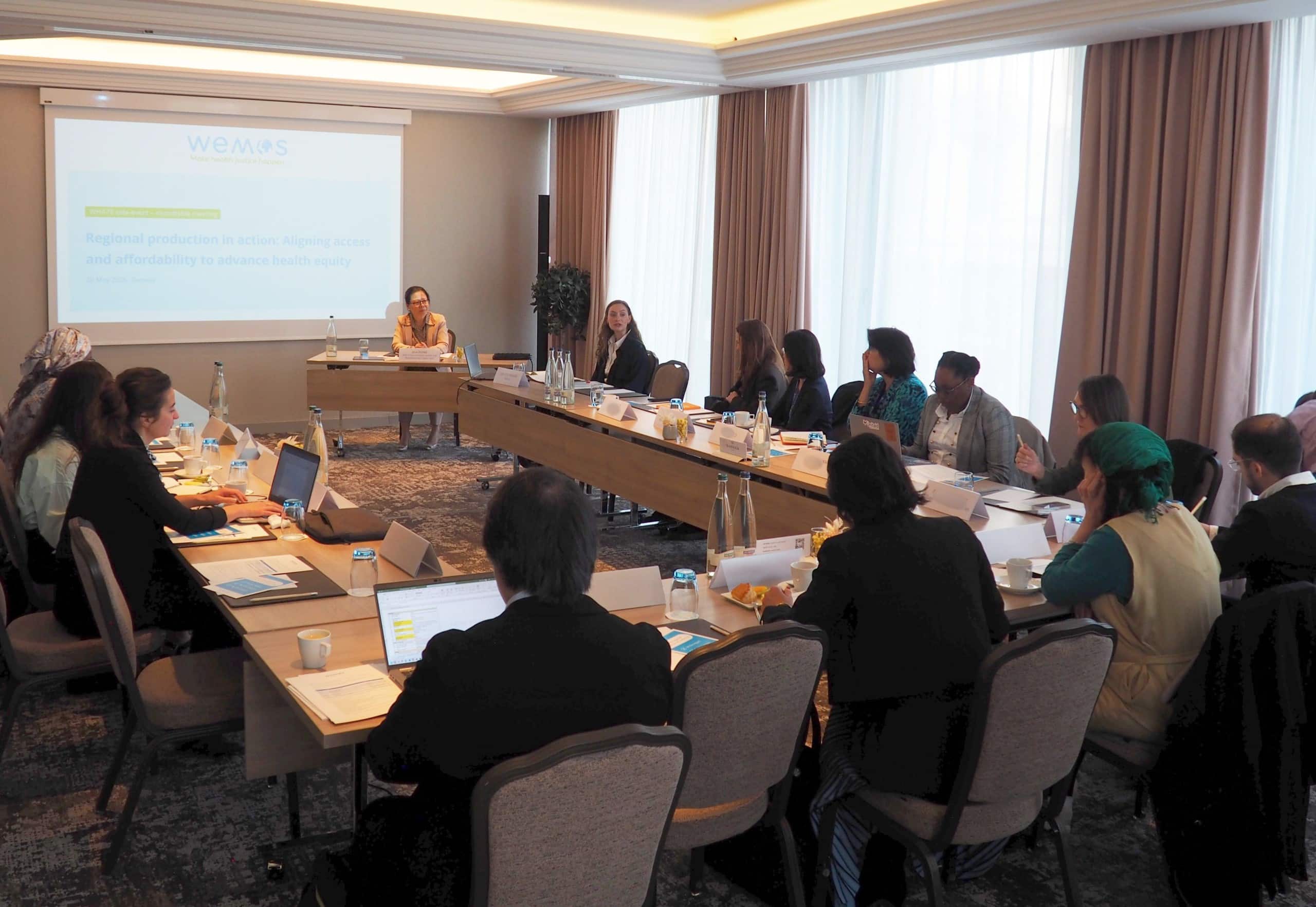
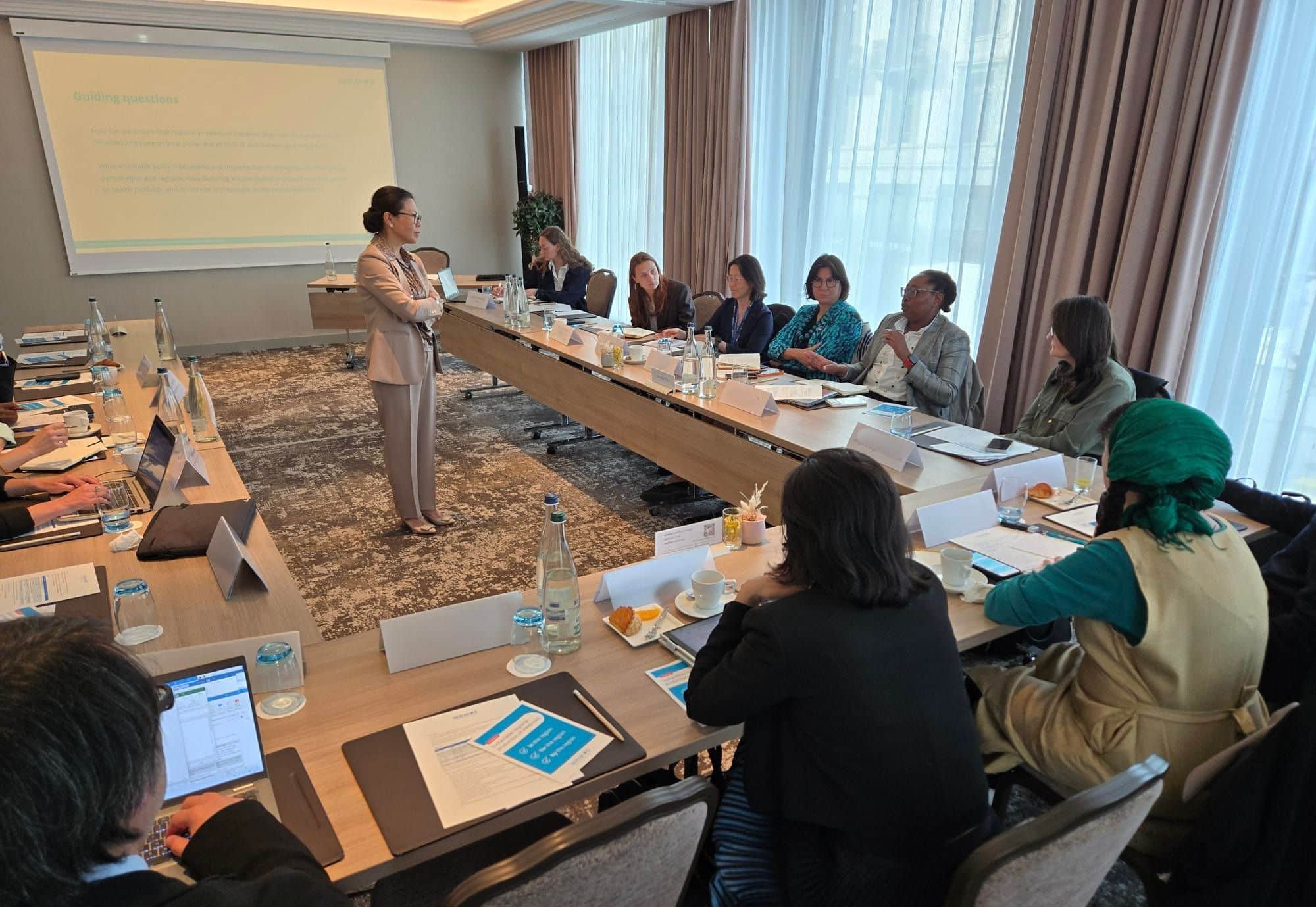
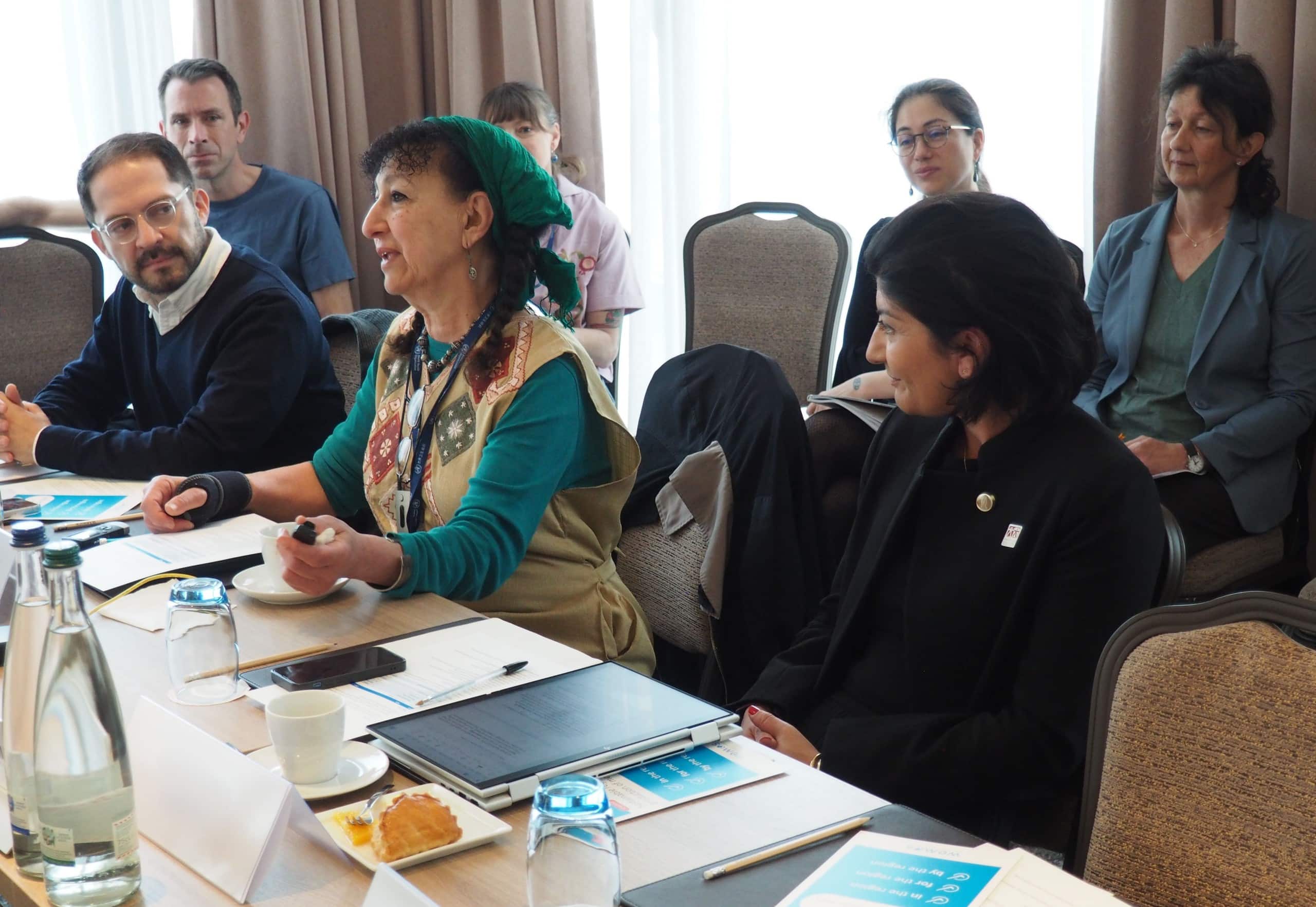
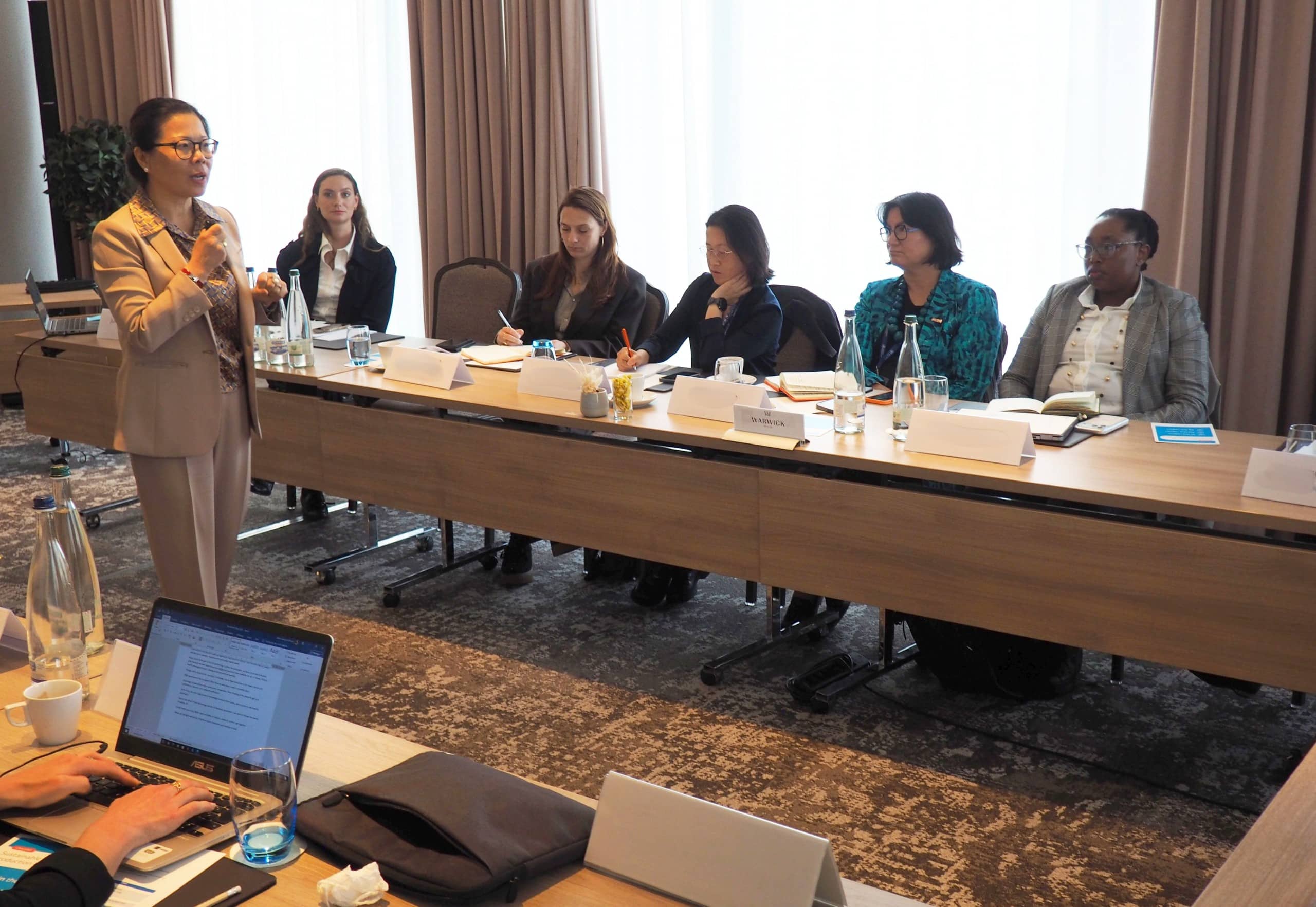
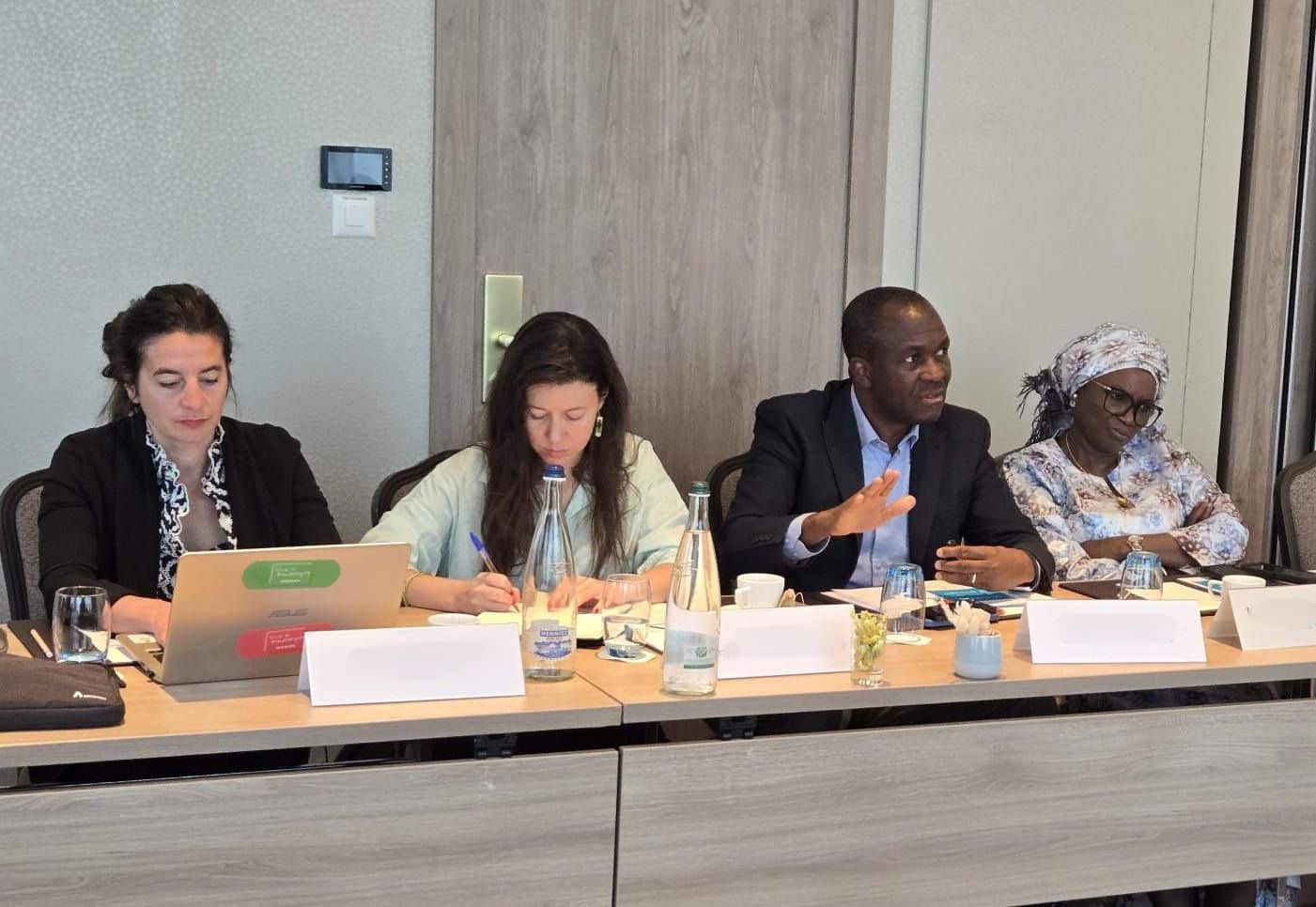
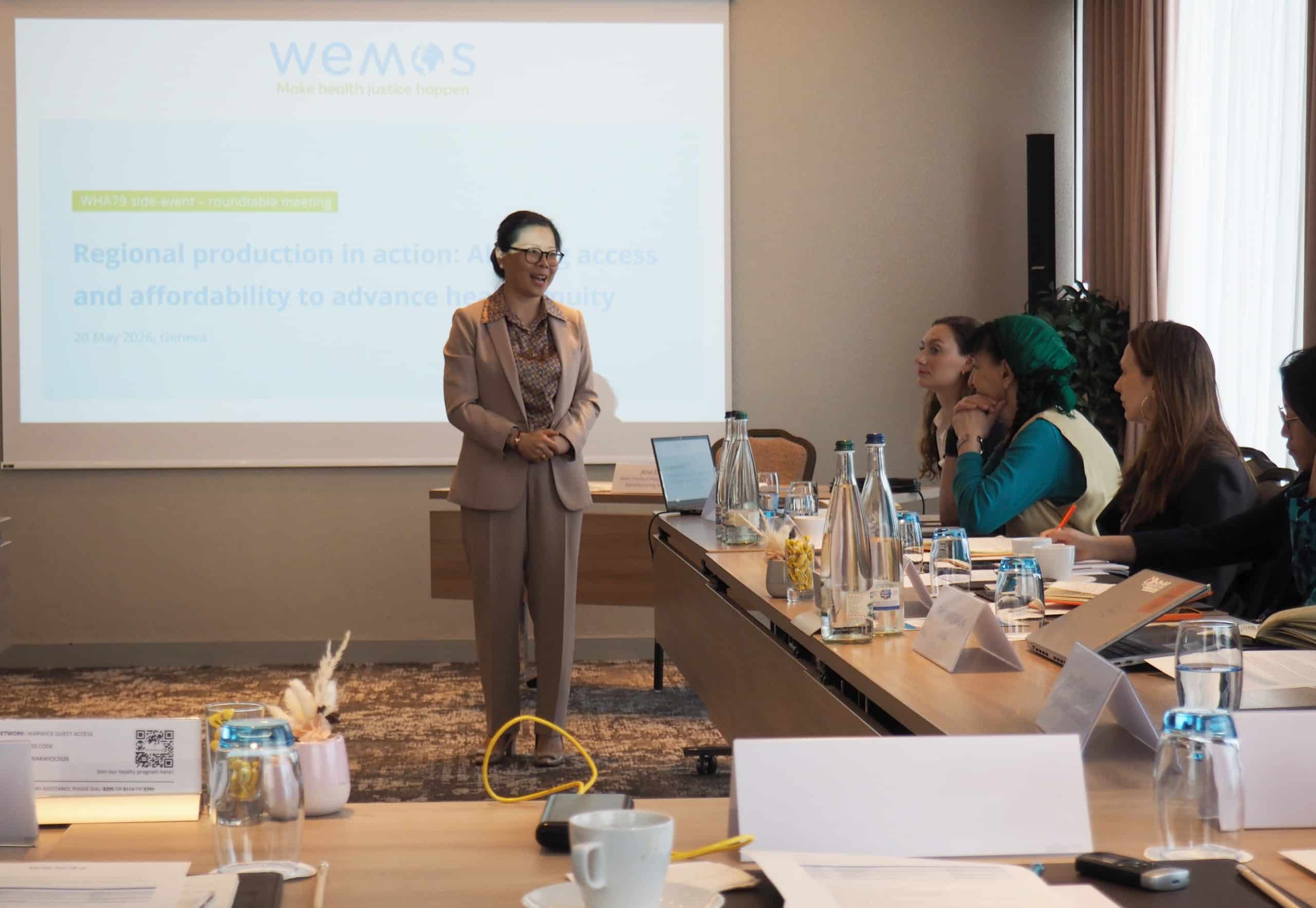
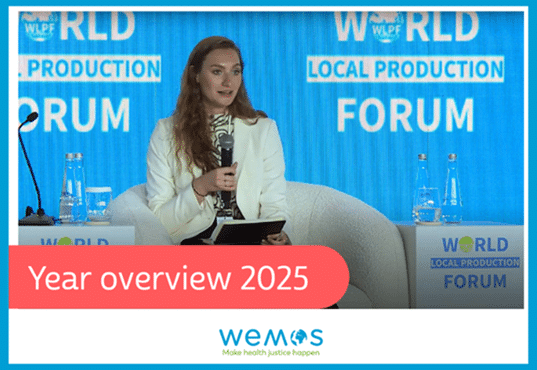
On the sidelines of the 79th World Health Assembly, Wemos hosted a roundtable on realizing sustainable regional production of health products. The discussion brought together high-level representatives from international organizations, financing bodies, manufacturing initiatives, research institutions and civil society to explore how regional production can better support equitable access to health products and stronger health systems.
Participants agreed that regional production should no longer be viewed solely as an industrial or pandemic preparedness agenda, but as part of a broader public health strategy linked to health security, resilience, affordability and sustainable access.
Below, we share the key takeaways from the discussion.
From manufacturing facilities to regional health ecosystems
A key theme was the need to move beyond isolated manufacturing facilities towards integrated regional ecosystems that include research and development (R&D), technology transfer, financing, procurement, regulation, workforce development and sustainable market creation.
Participants stressed that sustainable regional production depends on stronger regional coordination and long-term ecosystem development. Concerns were raised that current investments remain too focused on infrastructure, while insufficient attention is given to innovation systems, institutional capacity and market sustainability.
Keeping access and affordability at the centre
Access and affordability were repeatedly emphasized as central objectives of regional production initiatives. Participants highlighted fragmented procurement systems and unpredictable demand as major barriers to sustainable local production.
Regional and continental pooled procurement mechanisms were identified as promising tools to strengthen affordability, improve market predictability and support local manufacturers. Discussions also stressed the importance of aligning manufacturing priorities with regional public health needs, including vaccines, diagnostics and medicines for noncommunicable diseases.
Strengthening local ownership, innovation and technology transfer
Local ownership, innovation and technology transfer emerged as key priorities throughout the discussion. Participants emphasized that technology transfer should go beyond operational production and include the knowledge, skills and institutional capacity needed for long-term innovation and adaptation.
Investments in local R&D, scientific infrastructure, workforce development and stronger regulatory systems were seen as essential to building resilient and sustainable regional production ecosystems.
Building institutional capacity and foster public health innovation
Participants emphasized the importance of building strong institutional capacity and innovation ecosystems to support sustainable regional production. Investments in R&D, scientific infrastructure and regional collaboration – including through innovation hubs and research partnerships – were identified as essential for strengthening long-term resilience and local ownership.
Engaging affected communities
The discussion also highlighted the importance of community engagement and grassroots ownership. Participants stressed that conversations on access and regional production should be more closely connected to affected communities and accompanied by stronger support for African leadership in shaping regional health and innovation agendas.
Addressing ecosystem bottlenecks
Participants identified several critical bottlenecks that continue to limit the sustainability of regional production initiatives. These included:
- Limited production of active pharmaceutical ingredients (APIs), creating major supply chain vulnerabilities;
- Weak institutional capacity and fragmented financing structures;
- Insufficient long-term investment in research, innovation and regulatory systems;
- Market failures affecting products with high public health value but limited commercial attractiveness.
Participants emphasized that stronger coordination across health, industry, finance, science, research and trade sectors will be essential to overcome these challenges.
Priorities for collective action
The discussion concluded with a strong call for collective action and long-term partnerships. Participants highlighted several priorities moving forward, including:
- Strengthening regional cooperation and pooled procurement;
- Investing in innovation ecosystems and institutional capacity;
- Expanding technology transfer and local ownership of knowledge;
- Supporting resilient supply chains and API production;
- Embedding access and affordability into policy design and partnerships from the outset.
As participants noted, no single actor can move this agenda forward alone. Progress will depend on coordinated efforts to build resilient manufacturing ecosystems that place public health, equitable access and affordability at their core.
Read the full summary note of the roundtable discussion