Dear colleagues and friends,
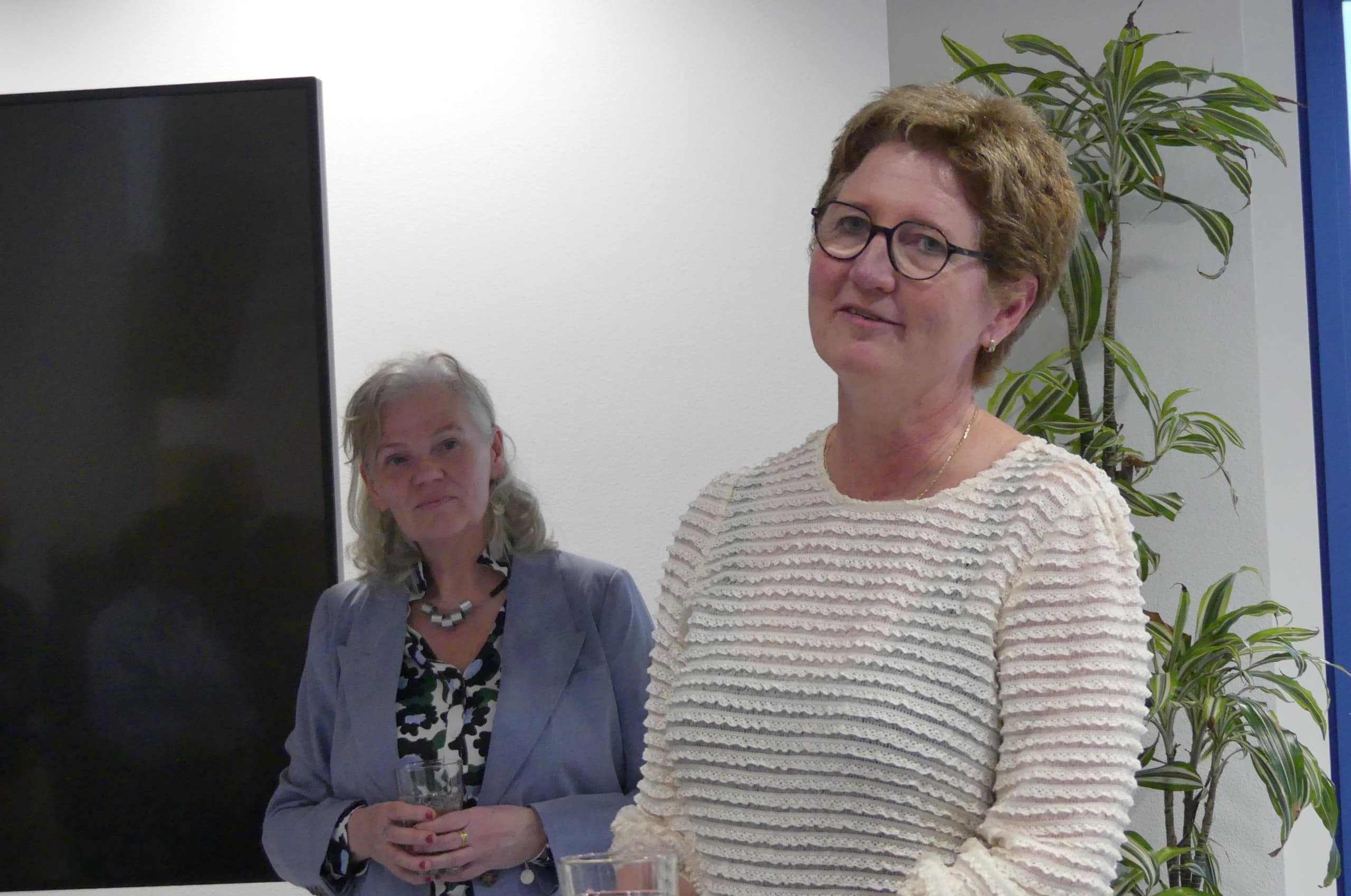
First of all, thank you all for coming. When I became director 9 years ago, I joined an organization that looks at health as a matter of justice, not charity. We always say: ‘Health as a fundamental human right’. This was the starting point of Wemos, over 45 years ago, when a group of medical students realized that sending Dutch doctors to low-income countries was not a long-term solution to the health problems in those countries, and founded Wemos. And it has been our compass ever since. That clear mission has guided Wemos through decades of global health shifts, some of which Johanneke just described, and it has guided me throughout these 9 years.
For me, however, the seed of my journey was planted earlier. In Sudan and in Malawi, where I worked for some intense years. I remember working closely with the Director of Nursing at the Ministry of Health in Malawi, who was dealing with severe health worker shortages on a daily basis. One day she said:
“Maybe I should move my desk to the airport. I would meet more nurses there, on their way out of Malawi.”
That sentence never left me. It captured the painful reality of health workforce migration and the impact of solving recruitment problems in our part of the world at another country’s expense. A country that was coping with a severe lack of access to healthcare and one of the highest maternal mortality rates in the world. Her statement was more powerful than any report that I could read.
It also confronted me with something deeper: the limits of what you can change within a single country when global systems and power dynamics directly limit a country’s possibilities.
Meanwhile, the people in Sudan and Malawi were feeling the consequences. When I think about why this work matters, I immediately think about the people in vulnerable situations who I met in those years. Mothers walking for hours to reach healthcare services for their children. Patients who were turned away because treatment was unavailable. Health workers trying to do the impossible with too little support, and still showing up for their next shift the following day.
For me, ensuring equal access to good health worldwide is about them.
It is about shifting power relations. Moving away from charity models, where support is often conditional and temporary, toward justice-based systems where countries and communities have real ownership and real control over their health priorities.
What drew me to Wemos is that the team works exactly at that structural level. I am proud to have joined them in this mission.
One example is our engagement with the Global Financing Facility (GFF), an international development initiative, that works to improve reproductive, maternal and child health. We noticed that the GFF strategy was insufficiently aligned with country needs, especially because it lacked adequate funding for health staff. Together with partners in Malawi and Uganda, we gathered evidence and brought this to the attention of the GFF, the Dutch government, and affected countries. We did not simply criticize – something that, as civil society, we can be quite good at – but we engaged constructively and supported with concrete recommendations.
And with good results: in their new strategy, the GFF explicitly recognized the importance of investing in health workers. That meant more trained health workers. More deliveries attended by skilled providers. And fewer maternal deaths. That is structural change with direct impact.
So yes, sometimes advocacy actually works, eventually.
Another defining moment came during the Covid-19 pandemic. Vaccine inequity exposed how fragile and unequal the global health system truly is. Together with partners, we succeeded in proposing two motions that got adopted in the Dutch Parliament to support the sharing of patents and know-how for Covid-19 vaccines. We continued to work on promoting regional production of medical products; enabling more regionally produced medicines and vaccines will greatly improve both countries’ self-reliance, access to medicines, and the ability to respond more swiftly to disease outbreaks.
Because solidarity is not about charity, it is also about structural fairness.
At the same time, the reductions in US government funding put sexual reproductive health and rights under pressure and illustrate the urgent need for countries to improve their domestic resources mobilization. However, many low-income countries are unable to break free of the vicious cycle of their debt burden. 42% of the world’s population live in a country that spends more on interest payments than on health and education. At the same time, those countries lose out on large sums of income because of tax avoidance. In 2024, Mozambique lost more than USD 100 million to tax abuse, equalling 22% of the total government health expenditure in 2022.
That is why we focus on strengthening empowerment and self-reliance. For example, by pushing for a fair international tax convention and debt cancellation. This enables countries to mobilize more resources themselves and invest in their own health priorities, without depending on international donors.
Now, I want to say something about the storms. We have all gone through some. Including Wemos.
When I started as director, we were a team of ten. Together we scaled up, in programmes, partnerships, impact, and expanded into a team of 36 colleagues and a budget that was almost ten times larger. Today, we are once again with a smaller team, but with strong, committed professionals who continue our mission through challenging times. As director, it affected me deeply to see how the work and size of the team were scaled back. But I have also seen how the team’s dedication to our mission carries us forward.
We all know political winds change. Funding goes up and down. That means that organizations sometimes scale up and down, like in waves. I am confident that new waves will come again.
Finally, some words of gratitude.
To the Ministry of Foreign Affairs: we have worked in partnership, for as long as I can remember. Civil society can sometimes raise issues that governments cannot. Governments can sometimes open doors that civil society cannot. That complementarity has been powerful. Thank you for your trust and for engaging critically and constructively.
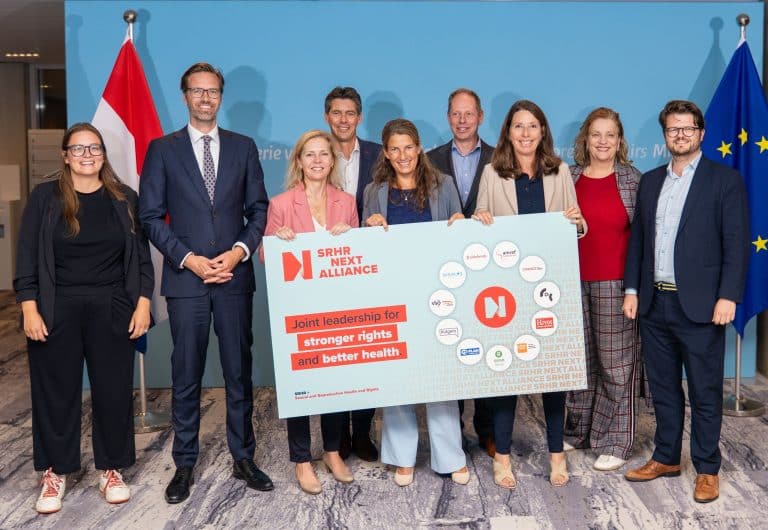
To our partners in the Netherlands, in Kenya, Uganda, Rwanda and far beyond: We have challenged and strengthened each other, and sometimes really pushed each other. Structural change is too complex for any one organization. It requires the willingness to put the common goal above individual interest or visibility. I am deeply grateful for the openness and the solidarity I have experienced in our partnerships. Because progress in global health does not happen through solo performances. It happens through ‘orchestras’.
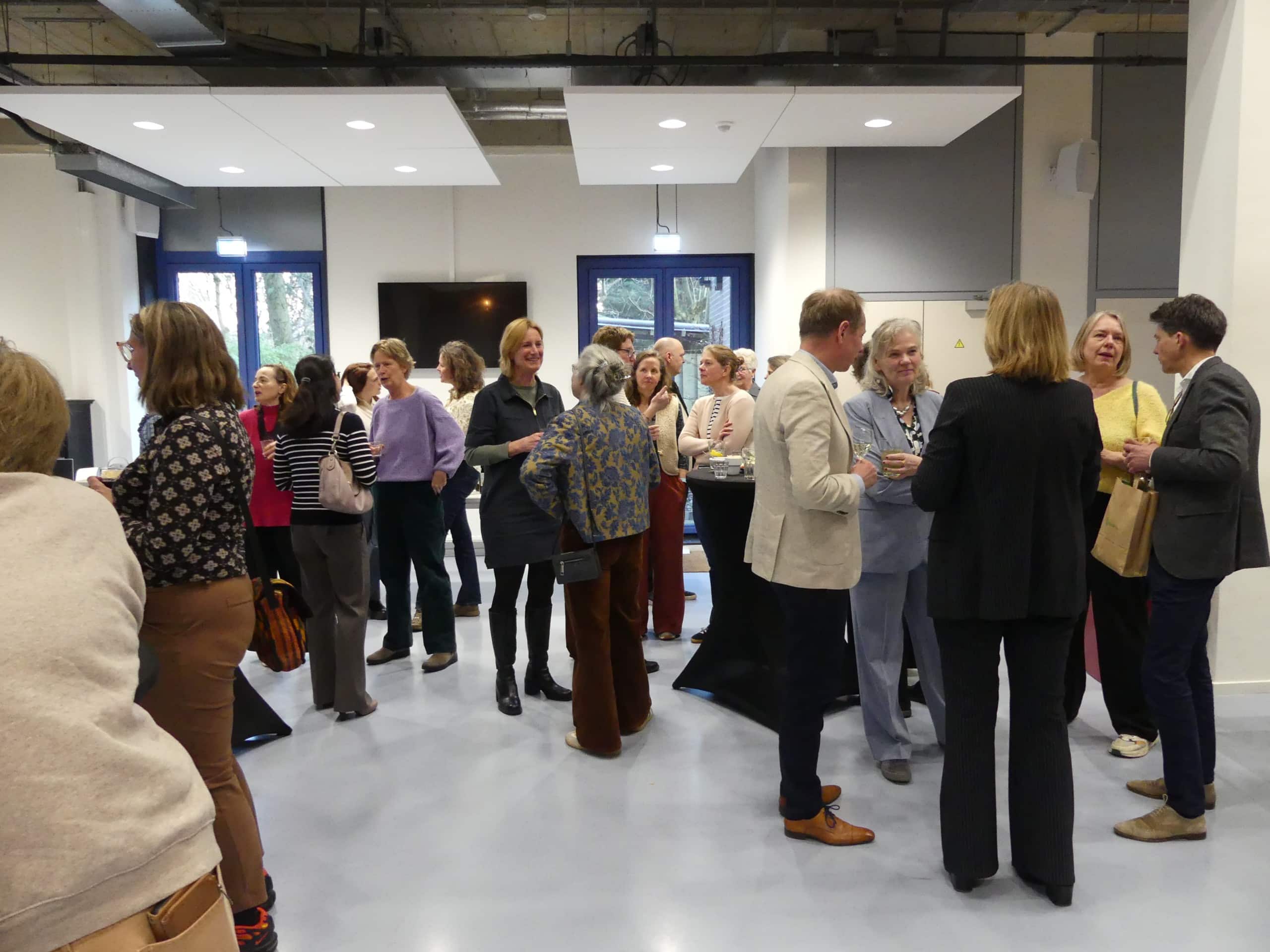
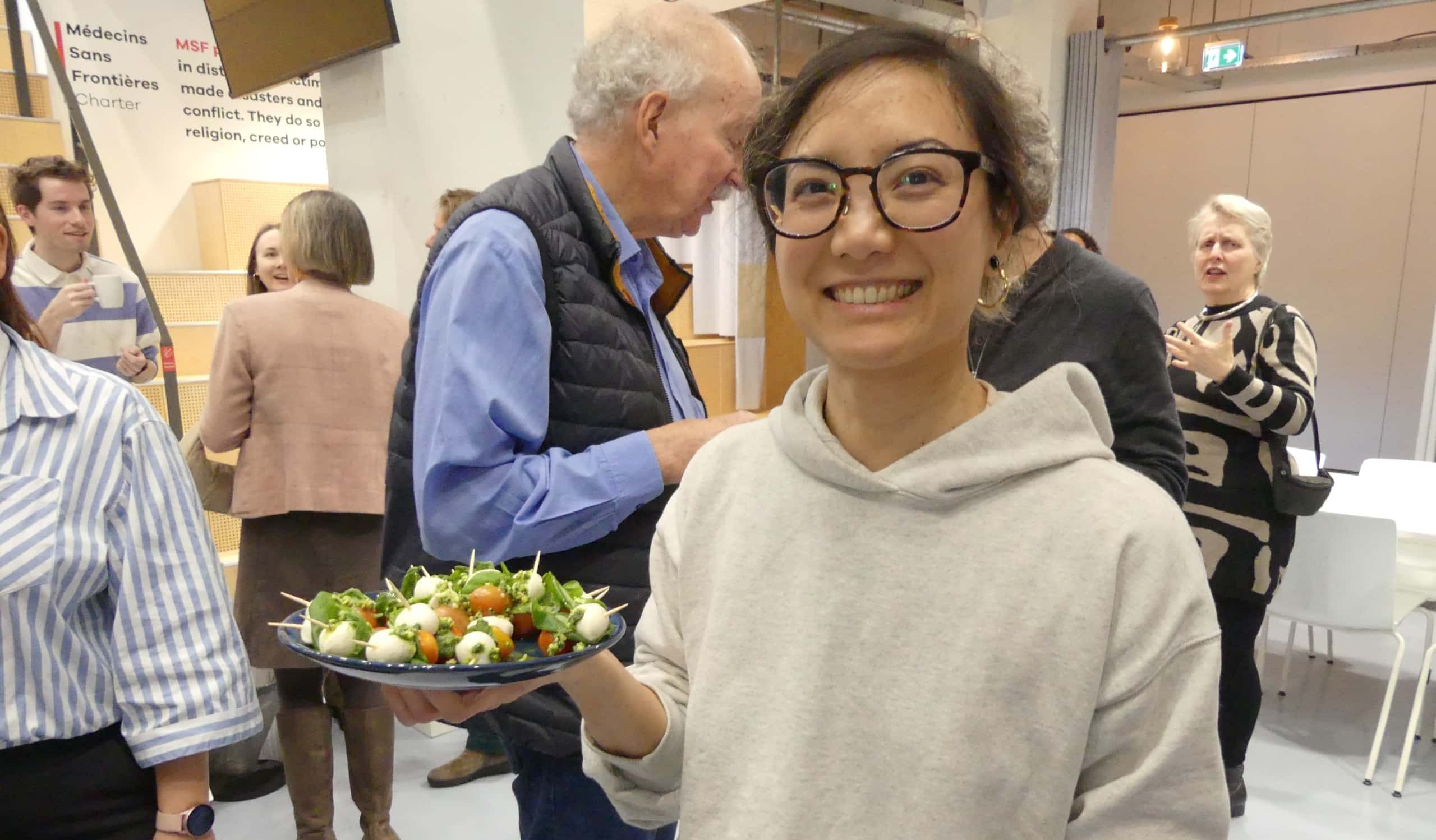
To MSF: almost 30 years ago, I was interviewed in this very building before leaving for my first mission abroad. My hair was slightly less grey at the time… It is special to stand here again. Thank you for sharing your offices.
To the supervisory board: thank you for your steady guidance, and for finding the right successor.
To my family: After long days, long train journeys, and regular delays, you always made me feel ‘Brabants’ and at home again. Your support made everything possible.
And then, the Wemos team. I once heard a colleague say, smiling: “Before I joined Wemos, I used to think working with WHO was the coolest job in the world…”
That enthusiasm and mission-driven dedication. It says everything about this team. You combine sharp analysis with deep conviction. The hardest part of stepping down is leaving you and… not being able to enjoy Naima’s home-baked cookies or Mariska’s courgette pies anymore.
I will now first take a break, take some time to unwind. I will return to Malawi for a few weeks, to reconnect, reflect, be inspired and simply be there without agenda or deadlines. I will look up the nurses, and possibly look up the Director of Nursing at her airport desk that time, just to check whether things have improved.
Structural change does not happen in one meeting, one report, or one campaign. It happens because people stay and because organizations remain consistent. Because values do not shift with every political wind.
Now it is time for me to continue my journey, confident and grateful, knowing that Wemos will continue steadily on its mission to make health justice happen.
Thank you!