
European Parliament event on pharmaceutical transparency: “Time to revive global efforts”

9/2/2026 - Event

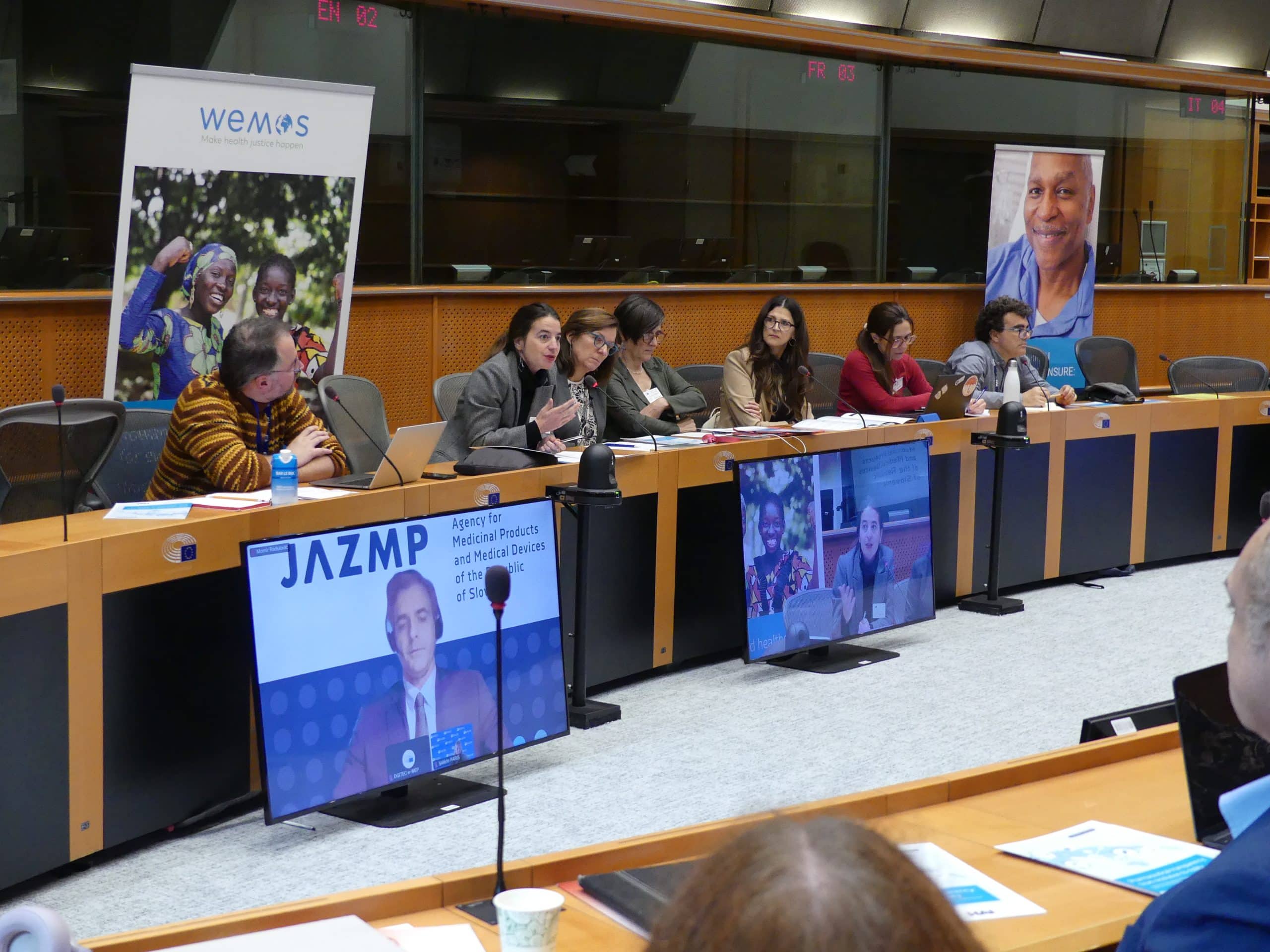
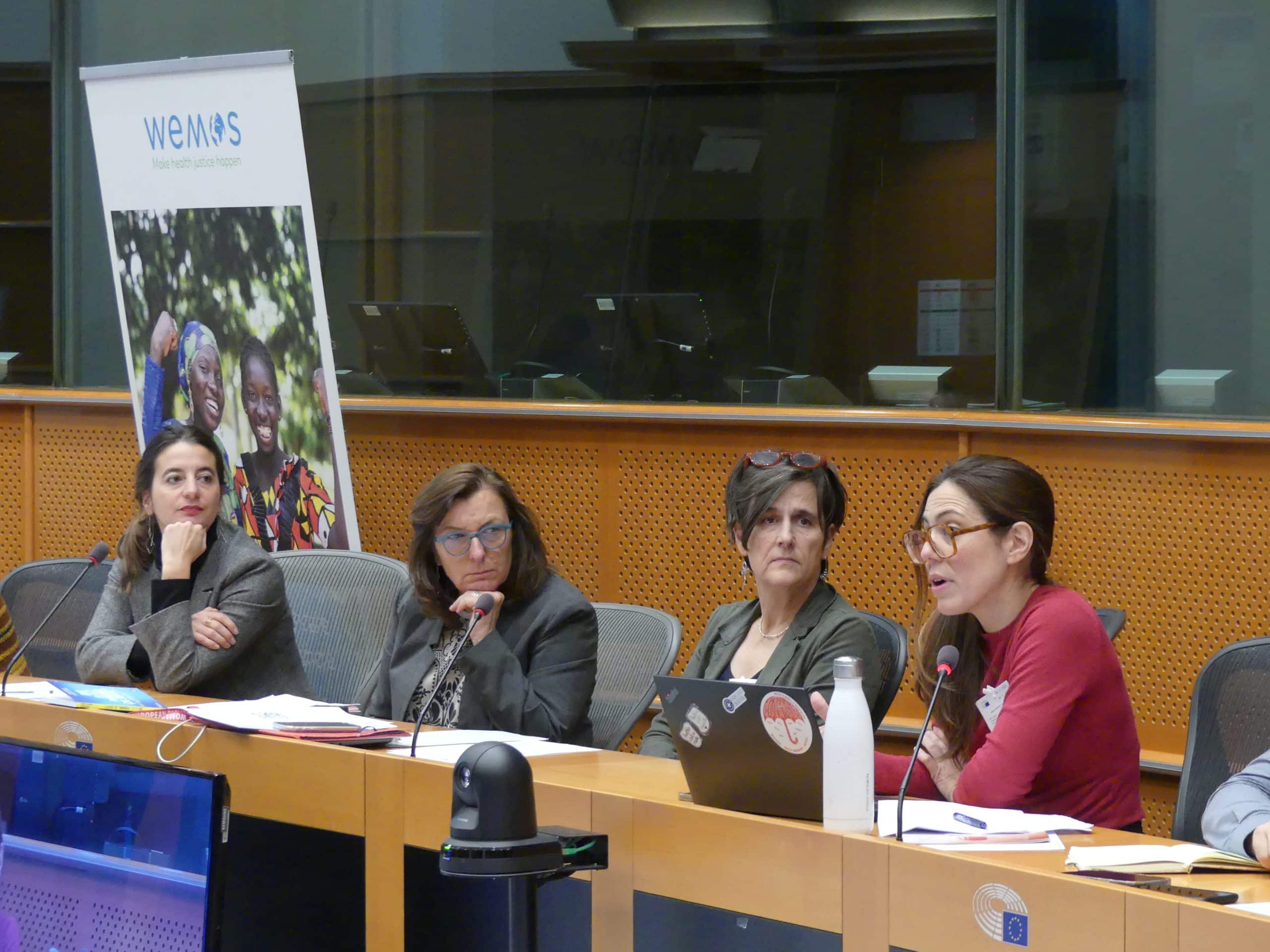
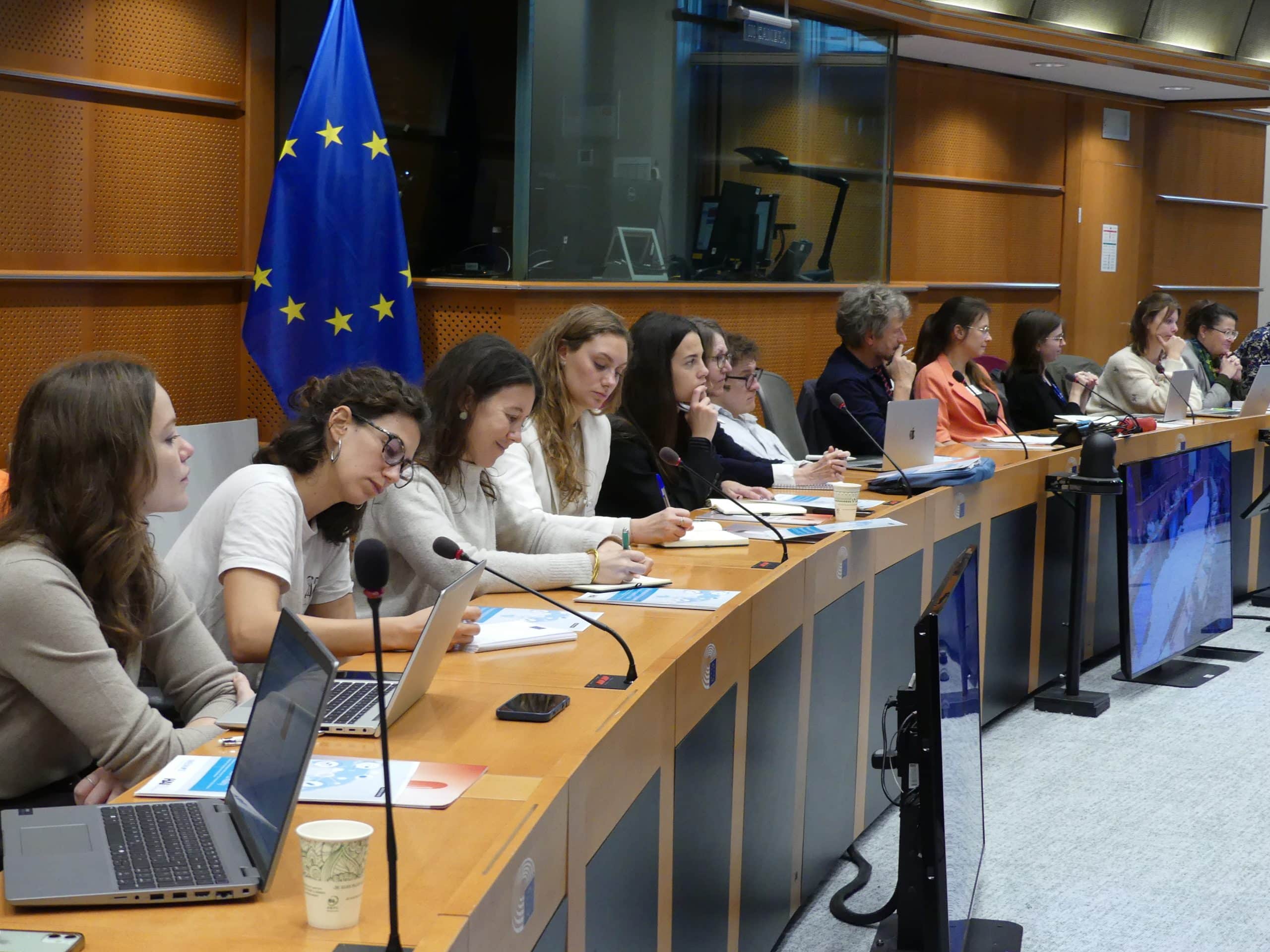
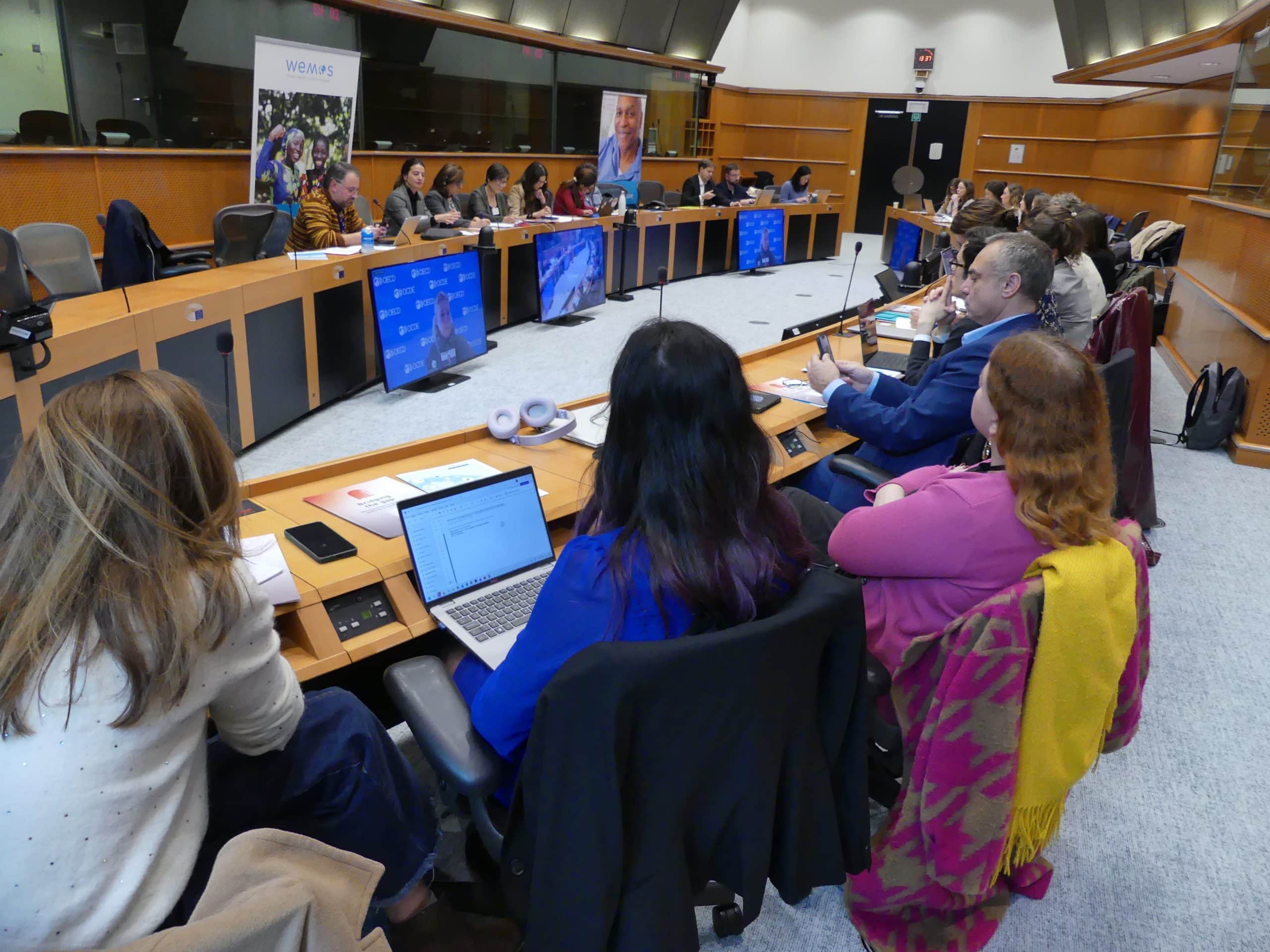
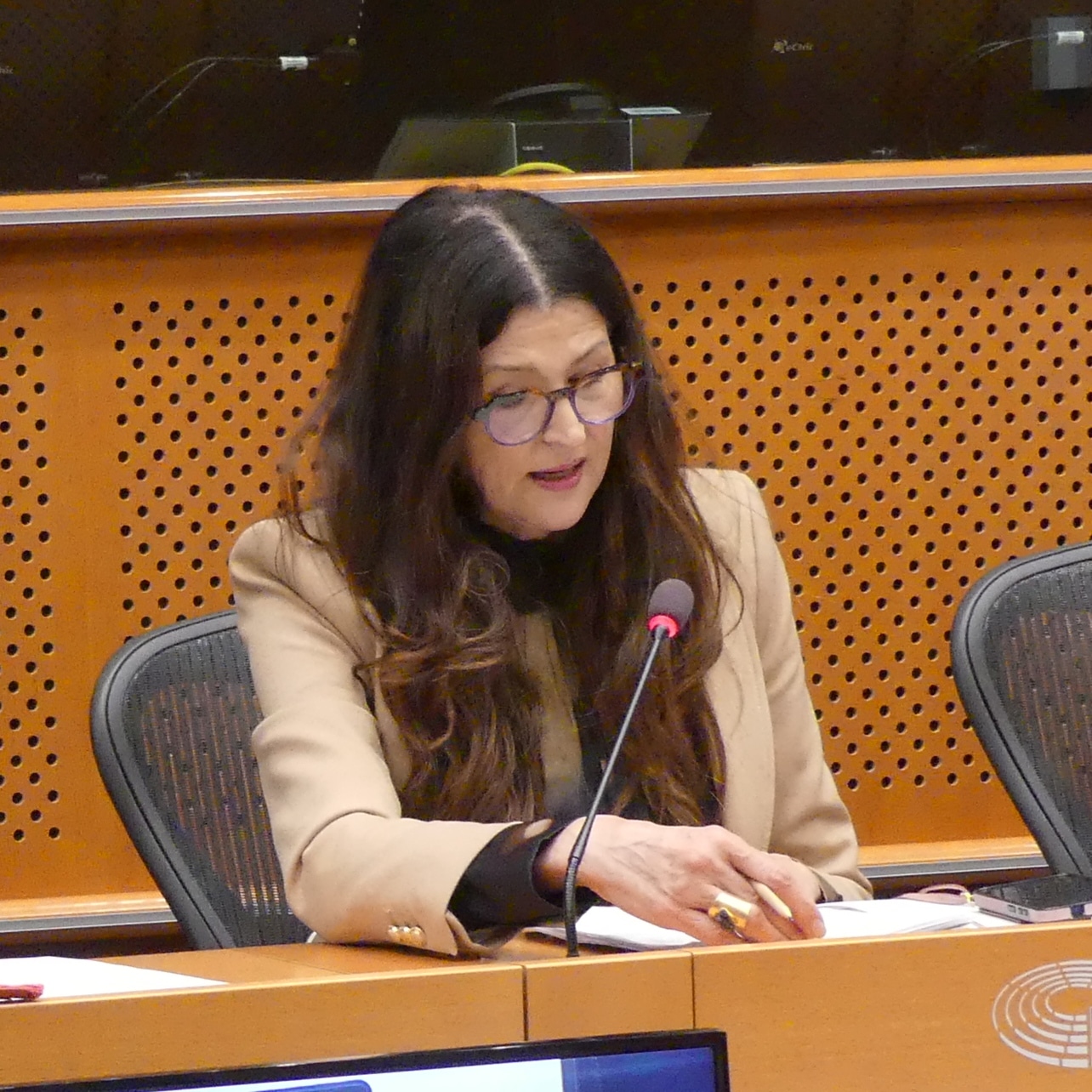
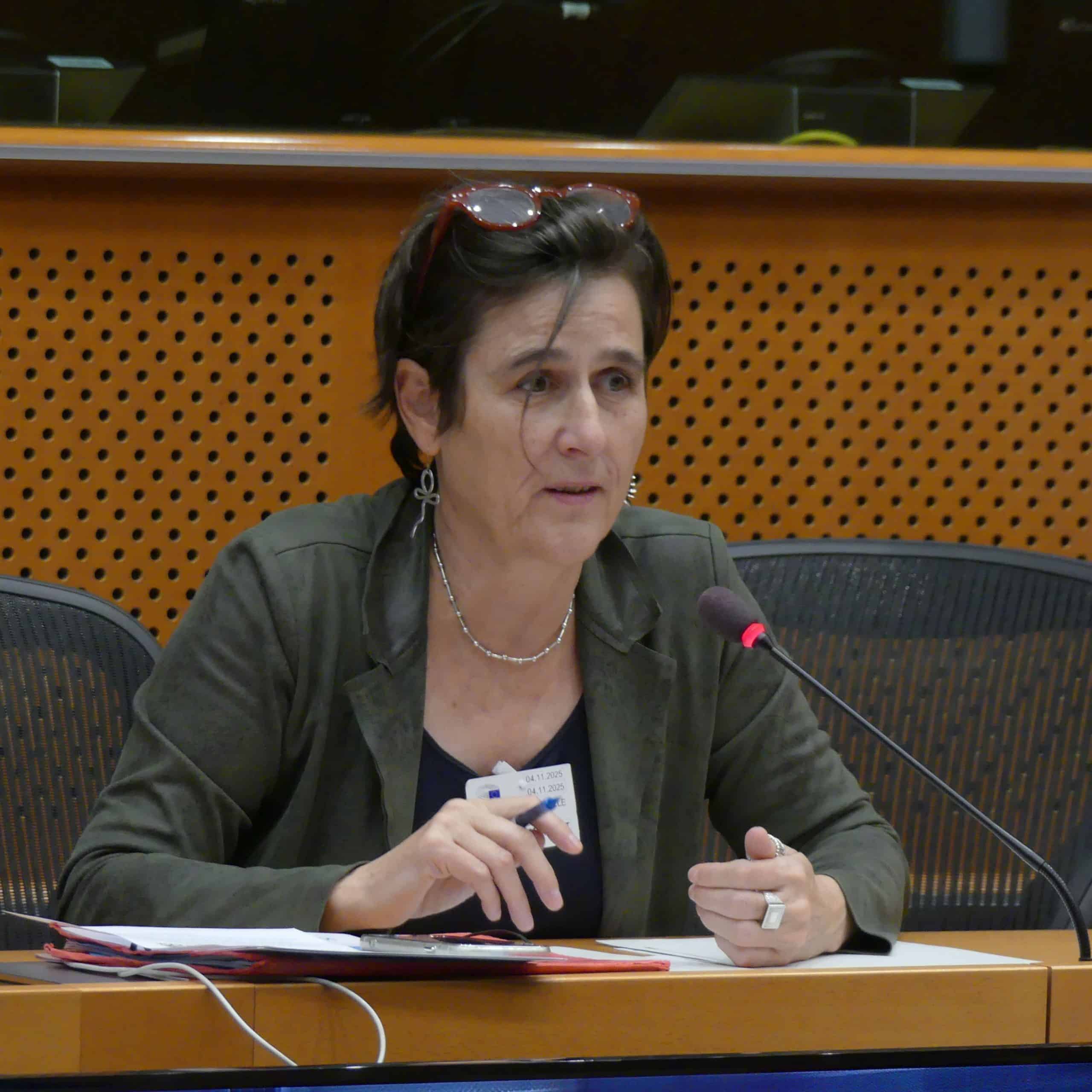
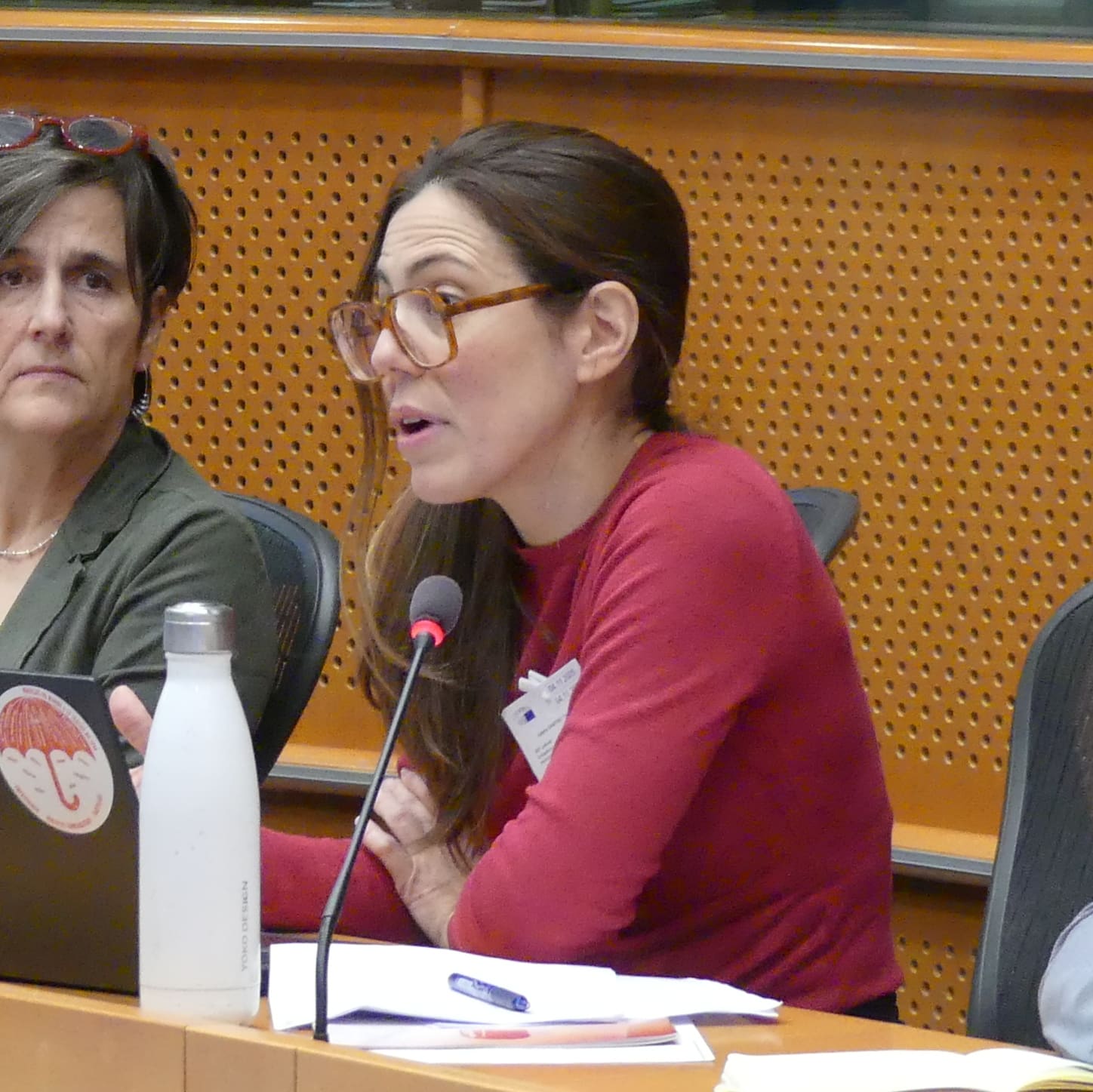
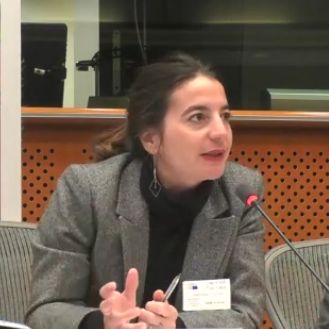
On 4 November 2025, Wemos and Health Action International (HAI) organized an event at the European Parliament on achieving transparency of pharmaceutical markets. The meeting brought together policymakers, health experts, civil society representatives, researchers and journalists to examine the state of transparency in Europe and discuss pathways towards access to affordable medicines for all. The event was co-hosted by Members of the European Parliament (MEPs) Romana Jerković (Socialists & Democrats) and Tilly Metz (Greens/EFA).

“No other industry gets away with this level of public funding with so little public scrutiny.”
Romana Jerković, Member of the European Parliament

Equitable access to medicines

During the event, moderated by global health expert Els Torreele, participants emphasized that transparency is essential for restoring trust in public health systems, ensuring public democratic accountability and achieving equitable access to medical products. Current levels of opacity in pricing, contracts and investment flows undermine the ability of public institutions to negotiate effectively, often resulting in uneven prices across countries, with lower-income countries in some cases paying more.

Participants questioned the concepts of “willingness to pay” and “ability to pay” in drug pricing, as they inadequately capture and safeguard the public interest and basic need of having access to life-saving medicines. Drug prices should not be as high as possible, but fair – fair to everyone. A broader scope of transparency, including on supply chain costs and information on essential medicine shortages, was also mentioned as key.

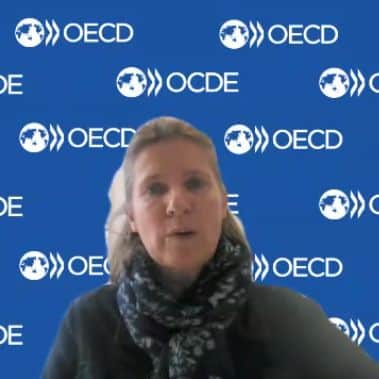
“There are winners and losers on the spectrum of creating transparency. Judging by pharma’s continuous and strong opposition to transparency, one can assume that the industry expects major losses if transparency increases.”
Valérie Paris, OECD

Implementation of commitments

Participants noted that the inconsistent implementation of transparency commitments made at the EU and World Health Organization (WHO) level, weaken the functioning of the European single market and hampers coordinated action. Some participants supported the exploration of what a ‘socially responsible price’ would entail, as has been done by the national healthcare and competition authorities in the Netherlands.

The Wemos/HAI report on pharmaceutical transparency presented during the event, highlighted limited progress since the adoption of the 2019 World Health Assembly (WHA) resolution 72.8 on this matter. While some national initiatives have emerged in several countries, overall political momentum has decreased in recent years, particularly during the Covid-19 crisis. The report calls for renewed governmental engagement to prioritize transparency, improve public accountability and support fair pricing of medicines.

“The lack of transparency is unique to the pharma sector and creates uneven power dynamics. Why do we accept it? We need transparency for markets to function properly.”
Els Torreele, global health and innovation expert

Juliana Veras of the French NGO Médecins du Monde illustrated the challenges of implementing transparency obligations in practice, with existing legislative measures in some countries proving insufficient or weak, as it is the case in France. Nonetheless, a new initiative is emerging in France to expand disclosure requirements, covering areas such as public and private research and development (R&D) funding, intellectual property structures, pricing components and marketing expenditure.

“There are reasons to believe that net prices do not reflect the distribution between private and public investments. We need binding obligations and a strong political will to change this.”
Juliana Veras, Médecins du Monde

EU-wide harmonization

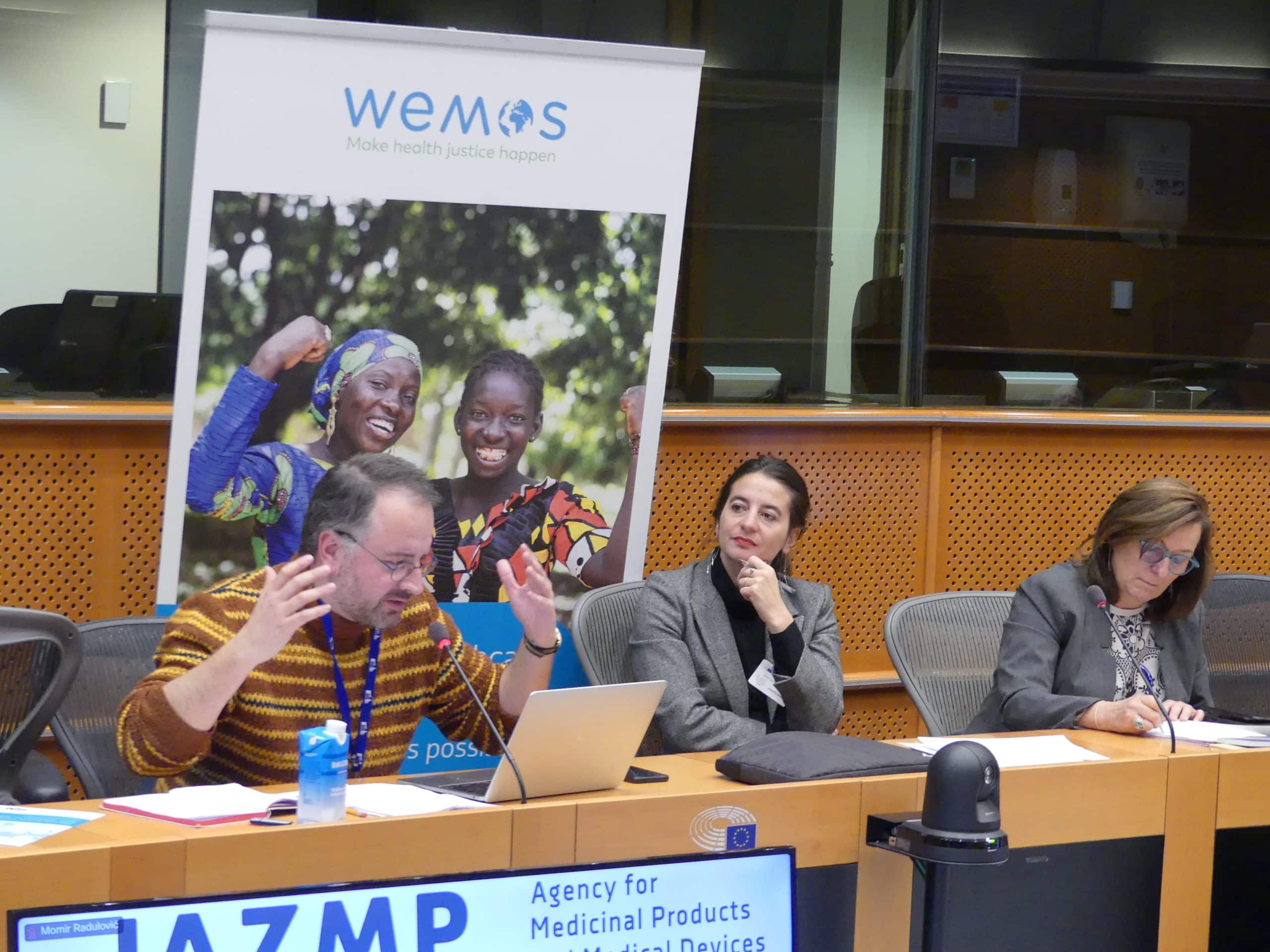
Representatives from national authorities highlighted difficulties stemming from the predominance of national competencies on pricing, hampering EU-wide harmonization. Enhanced cooperation among EU Member States was deemed essential to build mutual trust and to explore the potential of conditionalities linked to the allocation of public R&D funding.

“National competencies on pricing make it difficult to have a concerted EU effort on transparency. We need cooperation to increase mutual trust and push for conditionalities.”
Momir Radulovic, the Slovenian Medicines and Medical Devices Agency (JAZMP)

Journalist Pascal Janssens, on behalf of Investigate Europe, presented their research that demonstrated large variations in medicine prices across Europe and confirmed that poorer/Eastern countries can end up paying more for certain treatments, raising questions of fairness and accountability.

There are several current relevant EU-level efforts in the right direction, including initiatives to assess access through external reference pricing tools, strengthen capacity building, improve data collection and develop EU-level monitoring systems for pricing and reimbursement. Some of these tools are expected in 2026.

Evidence from the supranational Organisation for Economic Co-operation and Development (OECD) points to growing interest among OECD member states in sharing pricing information, although only a minority are currently ready to disclose net prices, often preferring to do so within closed networks.

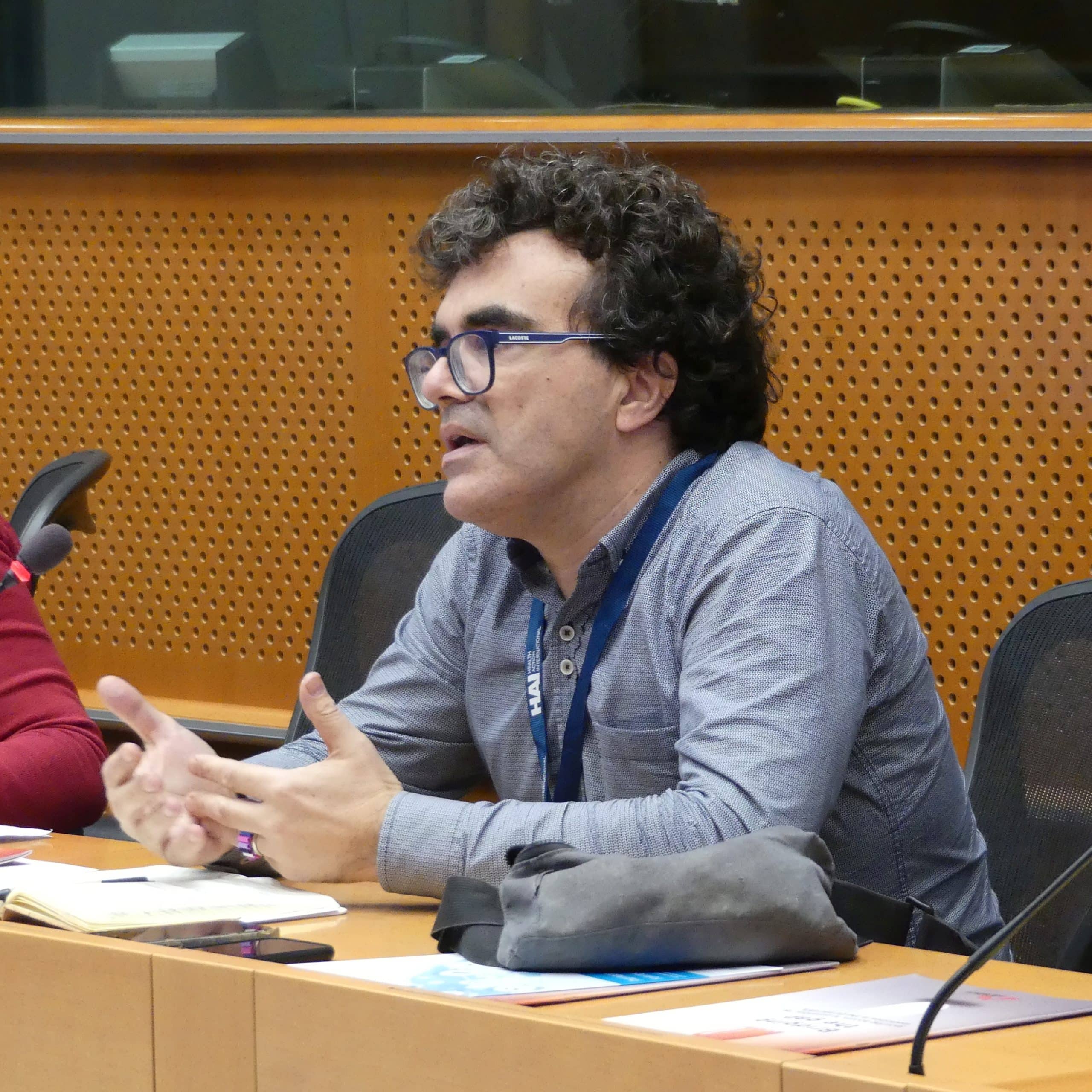
“In functioning democracies, the pursuit of the public interest should not be hindered by undue secrecy. Greater transparency in pharmaceutical markets is in everyone’s interest.”
Jaume Vidal, Health Action International

Maintain momentum

All participants agreed that transparency is indispensable for functional and equitable pharmaceutical markets. The event concluded with a call to maintain momentum, reinforce political commitment and translate transparency principles into robust, concrete and binding measures that safeguard the public interest and ensure fair access to medicines for all. Jaume Vidal from HAI urged policymakers and other stakeholders to get on the right side of history.

“The Covid-19 crisis shifted focus away from transparency, but now is the time to revive global efforts. Governments must step up, put this issue high on the political agenda and take concrete steps to build trust, ensure public accountability and deliver fair prices for patients.”
Aliénor Devalière, Wemos

Receive our newsletter

This field is for validation purposes and should be left unchanged.
  • instagram
  • linkedin
  • youtube
  • bluesky